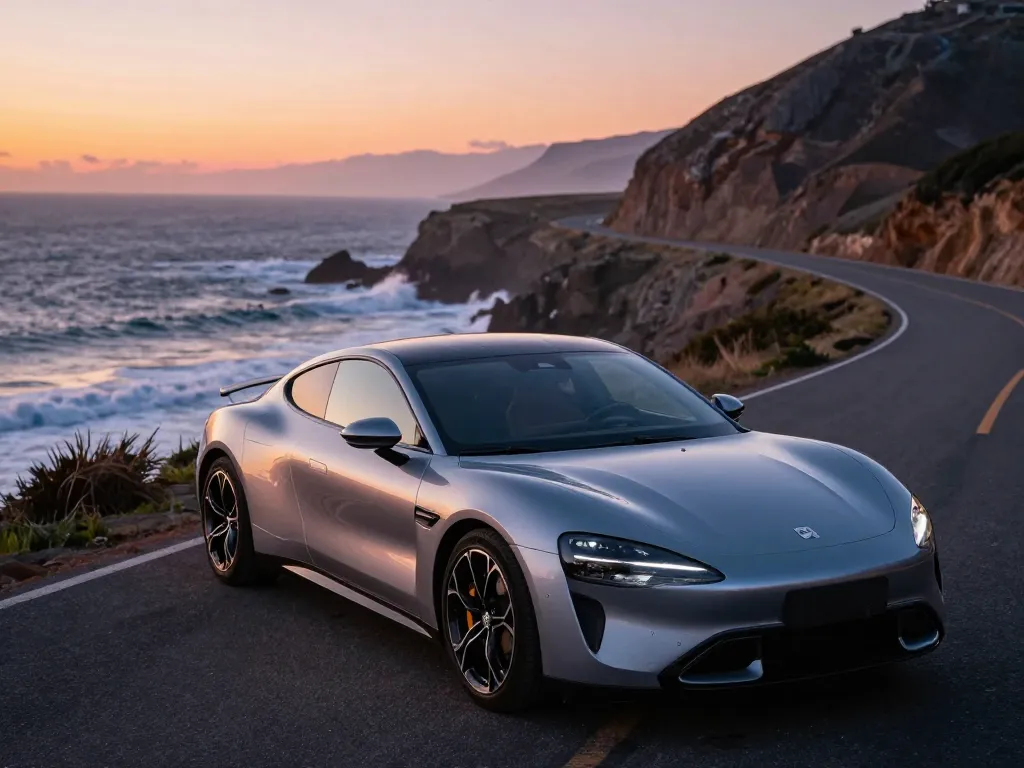
Understanding Window Tinting
What Is Window Tint?
Window tinting refers to the application of a thin film to the windows of a vehicle, home, or commercial space to enhance privacy, improve aesthetics, and increase energy efficiency. These films come in various shades, colors, and materials, and can provide benefits ranging from UV protection to glare reduction.
Benefits of Window Tint
Choosing the right window tint can significantly impact comfort and safety. Some of the primary benefits include:
- UV Protection: Blocking harmful ultraviolet rays can protect both occupants and interiors from damage.
- Heat Rejection: Effective window films can help keep your vehicle or home cooler, reducing reliance on air conditioning.
- Increased Privacy: Tinted windows provide a sense of security by limiting visibility into the interior.
- Glare Reduction: Tints can lessen glare from the sun, improving visibility and comfort for drivers and residents alike.
- Aesthetic Appeal: Adding tint can enhance the overall look of your vehicle or property, tailored to your personal style.
Legal Regulations in Chattanooga
Before applying window tint in Chattanooga, TN, it’s essential to be aware of local regulations concerning tint darkness and reflectivity. Most states have specific laws that govern how dark the tint can be, especially on front windshield and driver-side windows. Checking these regulations ensures compliance and avoids potential fines. For accurate and up-to-date information, refer to local authorities or trusted sources in the area regarding the best window tint Chattanooga TN.
Types of Window Tint Available
Dyed Window Film
Dyed window films enhance the appearance of your windows by applying a layer of dye between an adhesive layer and a protective top coat. This type of tint blocks sunlight and offers privacy, while also absorbing heat. Although less expensive, dyed films may fade over time and do not necessarily provide the same level of heat rejection or UV protection as other types.
Metalized Window Film
Metalized window films utilize tiny metallic particles to reflect heat and UV rays, providing superior protection and durability. This type can help strengthen the glass, making it less prone to breakage. However, the presence of metal can sometimes interfere with electronic signals, which is a consideration for those with toll transponders or mobile devices.
Ceramic Window Film
Ceramic window films are a premium option that delivers excellent heat rejection without using metals or dyes, ensuring they maintain clarity and color integrity over time. These films are particularly suited for high-end vehicles or buildings where preserving the view and aesthetics is essential, while still blocking harmful UV rays effectively.
Factors to Consider When Choosing the Best Window Tint Chattanooga TN
UV Protection
One of the primary reasons for applying window tint is to protect both your skin and your interiors from UV radiation. Look for films that offer at least 99% UV protection to ensure you’re not exposing yourself or your belongings to harmful rays.
Heat Rejection
Choosing a window film with high heat rejection capabilities can lead to lower energy costs by reducing the need for air conditioning in the hot Tennessee summers. Be sure to check the technical specifications to find tints designed for maximum heat rejection.
Visibility and Aesthetics
Your choice of tint should also consider how it will affect visibility and overall aesthetics. Lighter tints allow for more natural light while maintaining some privacy, whereas darker tints provide significant privacy but can obscure visibility at night. Consider factors like the primary purpose of tinting and your personal style preferences.
Installation Process Overview
Preparation Steps
Before installation, proper preparation is crucial. Clean the windows thoroughly to remove dirt and oils, as these can interfere with the film’s adhesion. Make sure that the environment is adequately controlled for temperature and humidity, as these factors can impact the quality of the installation.
The Tinting Application
The application of window tint is both an art and a science. Trained professionals will measure and cut the film to size before carefully applying it to the windows. This process often involves using specific tools to ensure a smooth finish and avoiding bubbles and creases.
Post-Installation Care
After tinting, it’s essential to follow specific care instructions to ensure longevity. Usually, avoiding rolling down windows for a few days is required, and using a gentle cleaning solution can prevent damaging the film. Understanding post-installation care can maximize the lifespan of your tint.
Maintaining Your Window Tint
Cleaning Tips
To maintain your window tint, use a soft cloth for cleaning, and avoid harsh chemical cleaners that may damage the film. A solution of mild soap and water is typically recommended for a gentle yet effective clean.
Signs of Damage
Regularly inspect your window tint for signs of damage such as bubbling, peeling, or fading. Early detection can help you address problems before they worsen, ensuring your tint continues to meet your needs.
When to Replace Your Tint
Generally, window tint can last several years, but the lifespan can be affected by factors such as the quality of the film, installation, and environmental conditions. If you notice significant discoloration, peeling, or reduced effectiveness in UV and heat protection, it may be time to consider replacing your tint.
Frequently Asked Questions
1. How long does window tint last?
Typically, window tint can last between 5 to 10 years, depending on the film quality and maintenance.
2. Can window tint be removed?
Yes, window tint can be removed, but it requires specialized tools and techniques to avoid damaging the glass.
3. Does window tint affect night driving?
Dark tints can reduce visibility at night; consider a lighter film for better nighttime visibility.
4. Is window tint legal in Chattanooga?
Yes, but there are specific regulations regarding darkness and reflectivity. Always check local laws.
5. Can I install window tint myself?
While DIY installation is possible, hiring professionals ensures a better finish and long-lasting results.