
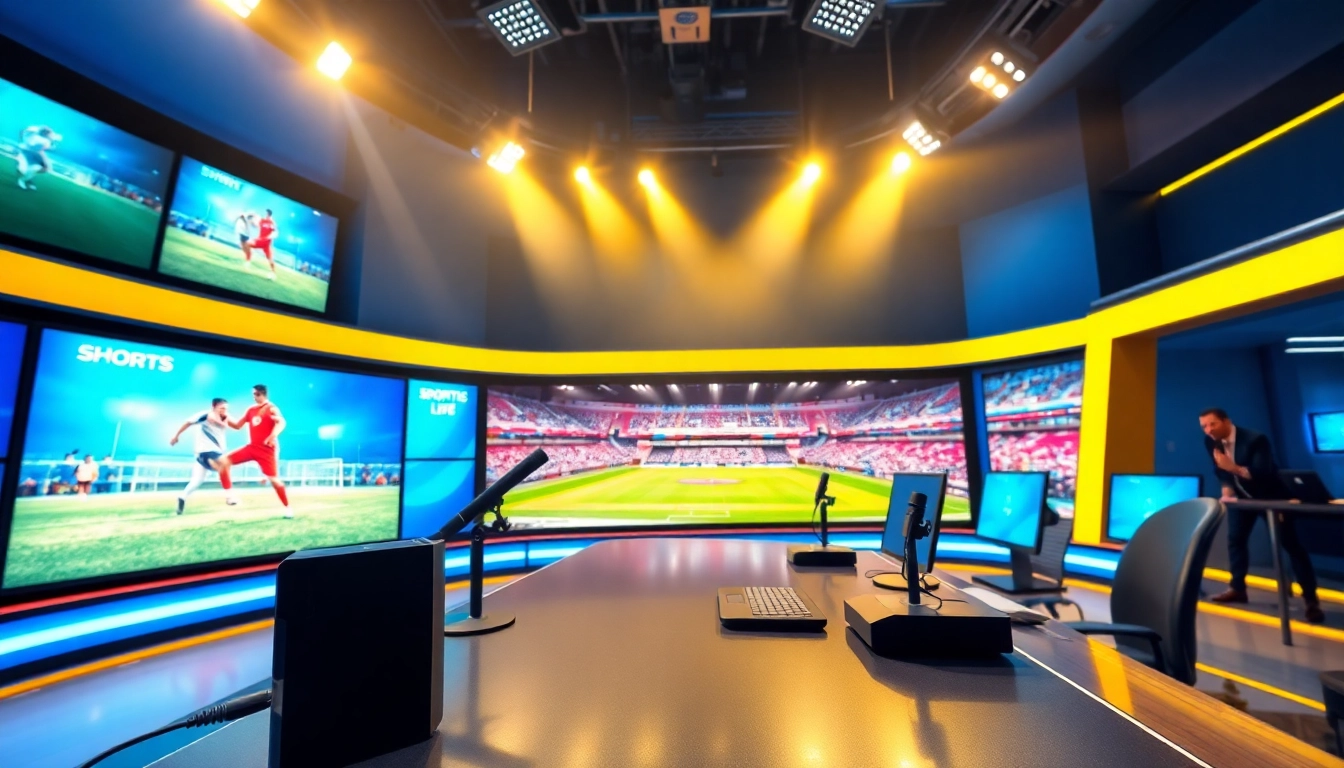
Understanding Sports Broadcasting
Definition and Importance of Sports Broadcasting
Sports broadcasting refers to the dissemination of live or recorded sports events via various media channels such as television, radio, and online streaming platforms. Its significance lies in its ability to connect fans with their favorite sports, offering them a window into the action, from thrilling moments to expert commentary. Effective sports broadcasting facilitates not just entertainment, but also fosters a sense of community among viewers, enhances fan loyalty, and stimulates sports-related commerce.
The economic implications of sports broadcasting are substantial, with rights fees and advertising revenues providing essential funding to leagues and teams. Moreover, with the rise of digital platforms, the landscape of sports broadcasting is continually evolving to accommodate viewer preferences, making it a crucial area of focus for stakeholders in the sports industry. Understanding the dynamics of this field is essential for both broadcasters and viewers alike, and engaging with platforms specializing in Sports Broadcasting can provide valuable insights.
Historical Evolution of Sports Broadcasting
The roots of sports broadcasting can be traced back to the early 20th century when radio emerged as a novel technology. The first significant sports broadcast was a boxing match in 1921, marking the beginning of a journey that would transform how audiences engage with sports. Over the decades, technology has progressively advanced. The advent of television in the 1950s revolutionized sports viewership, bringing games into living rooms worldwide. By the 1980s and 1990s, cable television expanded sports broadcasting options significantly, while satellite technology facilitated greater access to live events. Today, streaming services and social media have disrupted traditional broadcasting models, allowing sports content to be consumed on various devices and platforms.
Current Trends in Sports Broadcasting
As technology progresses, several trends are emerging in sports broadcasting, reshaping how events are covered and consumed. One notable trend is the increasing use of augmented reality (AR) and virtual reality (VR) to enhance the viewing experience. Broadcasters now incorporate AR graphics to provide richer storytelling and enhanced statistics during live events. Furthermore, social media integration is crucial for real-time engagement; viewers can watch highlights, share opinions, and engage with athletes directly. The shift towards on-demand content consumption has led many networks to explore subscription models, offering audiences the ability to choose what they want to watch and when. Lastly, analytics and data-driven insights are becoming integral in understanding audience preferences, enabling broadcasters to tailor their content to meet evolving viewer demands.
Key Components of Sports Broadcasting
Technical Requirements for Successful Broadcasts
Successful sports broadcasting hinges on comprehensive technical requirements that must be met to ensure high-quality output. These include advanced camera systems, sound equipment, and production software to handle live feeds reliably. Cameras equipped with high-resolution capabilities, such as 4K technology, provide viewers with a crisp, immersive experience. Furthermore, robust internet connectivity is essential for live streaming; this ensures that broadcasts are seamless and free from buffering interruptions. Engineers and technicians play a pivotal role in maintaining the integrity of transmission signals, thus ensuring consistent delivery of high-quality broadcasts.
Roles and Responsibilities in Sports Broadcasting
Sports broadcasting is a collaborative effort involving various professionals who each play distinct and significant roles. The primary figures include announcers and commentators who relay live play-by-play actions and provide insightful analysis. Producers are responsible for the overall flow of the broadcast, coordinating between different departments to ensure every element runs smoothly. Camera operators and sound engineers capture the game’s visual and auditory aspects, while graphic designers create engaging overlays that add context and enrichment to the viewing experience. Each role is critical in creating a polished and engaging broadcast that resonates with the audience.
Understanding Audience Engagement
Engagement in sports broadcasting is not merely about attracting viewers; it involves nurturing their connection to the content. Broadcasters leverage various strategies to enhance viewer interaction, such as soliciting live feedback via social media or incorporating polls and Q&A sessions during broadcasts. Furthermore, understanding demographic preferences helps tailor content specific to different audience segments. Engaging narratives are vital; telling compelling stories about athletes and teams captivates viewers and draws them emotionally into the broadcasts. Developing a two-way relationship with the audience ensures they feel invested, leading to higher viewership and loyalty.
Implementing Best Practices in Sports Broadcasting
Effective Communication Techniques
Communication is the backbone of sports broadcasting. Effective techniques encompass clear enunciation, pacing, and utilization of language suited for diverse audiences. Broadcasters should avoid jargon that may alienate casual viewers and focus on storytelling to connect on an emotional level. Active listening is equally important; commentators must acknowledge the unfolding game events while smoothly integrating relevant statistics or backstories into their narratives. Clarity in conveying information ensures that audiences remain engaged and informed throughout the broadcast.
Utilizing Technology for Enhanced Broadcast Quality
In modern sports broadcasting, harnessing technology for enhanced quality is a necessity. High-definition cameras equipped with playback capabilities provide instant replays that enrich viewer experience. Drones are now used for aerial shots, offering unique perspectives that were previously unattainable. Furthermore, cloud technology allows for efficient collaboration between production teams and instantaneous editing, thereby reducing the time between live events and highlight package releases. Comprehensive application of these technologies contributes substantially to high-definition broadcasts and overall viewer satisfaction.
Analyzing Viewer Feedback and Metrics
Analyzing viewer feedback is paramount for continuous improvement in sports broadcasting. Metrics such as viewership ratings, engagement levels on social media, and audience demographic data help broadcasters gauge what resonates with their audience. Surveys, focus groups, and social media interactions provide invaluable insights into viewer preferences. Adjustments based on feedback can lead to tailored programming that meets audience needs and enhances their viewing experience. Regular evaluation of metrics is necessary for making informed decisions that drive viewer engagement and retention.
Creating Compelling Sports Broadcasting Content
Crafting Engaging Storylines
Engaging storylines are the heart of compelling sports broadcasts. Broadcasters should focus on personal narratives, highlighting athletes’ journeys, rivalries, and historical contexts to deepen viewer connections. Using compelling visuals and expert commentary enhances the emotional resonance of these narratives. Developing narratives around upcoming matches or player milestones piques viewer interest and increases anticipation. Effective storytelling encourages audiences to return, fueling sustained engagement across broadcasts.
Leveraging Social Media for Audience Growth
Social media is an indispensable tool for growing audiences in sports broadcasting. Platforms like Twitter, Facebook, and Instagram allow broadcasters to share highlights, behind-the-scenes content, and live interactions, creating a more engaged community. Utilizing strategically timed posts during games can drive traffic to live broadcasts, while interactive contests and discussions boost audience involvement. Collaborative initiatives with popular social media influencers further extend the reach, introducing broadcasts to new viewer segments. Consistent engagement fosters loyalty among audiences and reinforces the broadcaster’s presence within the sports community.
Using Graphics and Visuals to Enhance Broadcasts
The use of graphics and visuals is critical in augmenting sports broadcasts. Infographics provide contextual information, enhancing storytelling through statistics that viewers can easily grasp. Overlays displaying player stats or game updates in real-time keep audiences informed without distracting from the action. When executed well, visuals amplify the narrative and clarify complex gameplay elements. Therefore, investing in dynamic graphic design can significantly elevate the quality of sports broadcasts.
Future of Sports Broadcasting
Emerging Technologies Shaping Sports Broadcasting
The future of sports broadcasting will be defined by emerging technologies such as artificial intelligence (AI), blockchain, and enhanced virtual fan experiences. AI can analyze vast amounts of data to provide personalized content recommendations based on viewer behavior. Blockchain technology ensures transparency in rights management and facilitates secure transactions in sports ticketing and merchandise. Moreover, virtual and augmented realities are changing the landscape by allowing fans to experience games in unprecedented ways, creating immersive environments that heighten excitement and participation.
Sustainability in Sports Broadcasting Practices
As global awareness of environmental issues grows, sustainability in sports broadcasting practices is taking precedence. Broadcasters are increasingly adopting eco-friendly technologies and production practices, striving to reduce their carbon footprint. This includes using energy-efficient equipment, reducing waste, and promoting sustainability messages during broadcasts. Fans are more likely to engage with brands that demonstrate social responsibility, making sustainable practices not just ethical, but also a savvy business strategy.
Predictions for the Next Decade in Sports Broadcasting
Looking ahead, the next decade in sports broadcasting promises to be transformative. As consumer preferences evolve, traditional models will likely give way to more interactive and personalized viewing experiences. Expect advances in 5G technology to drive forward communications, enabling high-quality streaming on mobile devices. The emergence of regional sports networks driven by localized content may also reshape how local games are covered. In addition, the blend of live sports with Esports broadcasting could attract wider audiences, reflecting the growing convergence of gaming and traditional sports.
FAQs About Sports Broadcasting
1. What is sports broadcasting?
Sports broadcasting involves disseminating live or recorded sports events through various media channels, enabling fans to engage and connect with their favorite sports.
2. What are the key components of successful sports broadcasting?
Key components include technical requirements like advanced camera systems, skilled personnel, effective communication, and the use of enhanced graphics and visuals.
3. How do broadcasters engage audiences effectively?
They engage audiences by crafting compelling storylines, utilizing social media, and encouraging viewer interaction through polls and discussions during broadcasts.
4. What technologies are shaping the future of sports broadcasting?
Emerging technologies like AI, blockchain, and AR/VR are transforming how sports are presented and consumed, enhancing viewer experiences while ensuring transparency.
5. Why is sustainability important in sports broadcasting?
Sustainability is essential as broadcasters adopt eco-friendly practices, appealing to increasingly socially conscious audiences and enhancing their brand reputation.