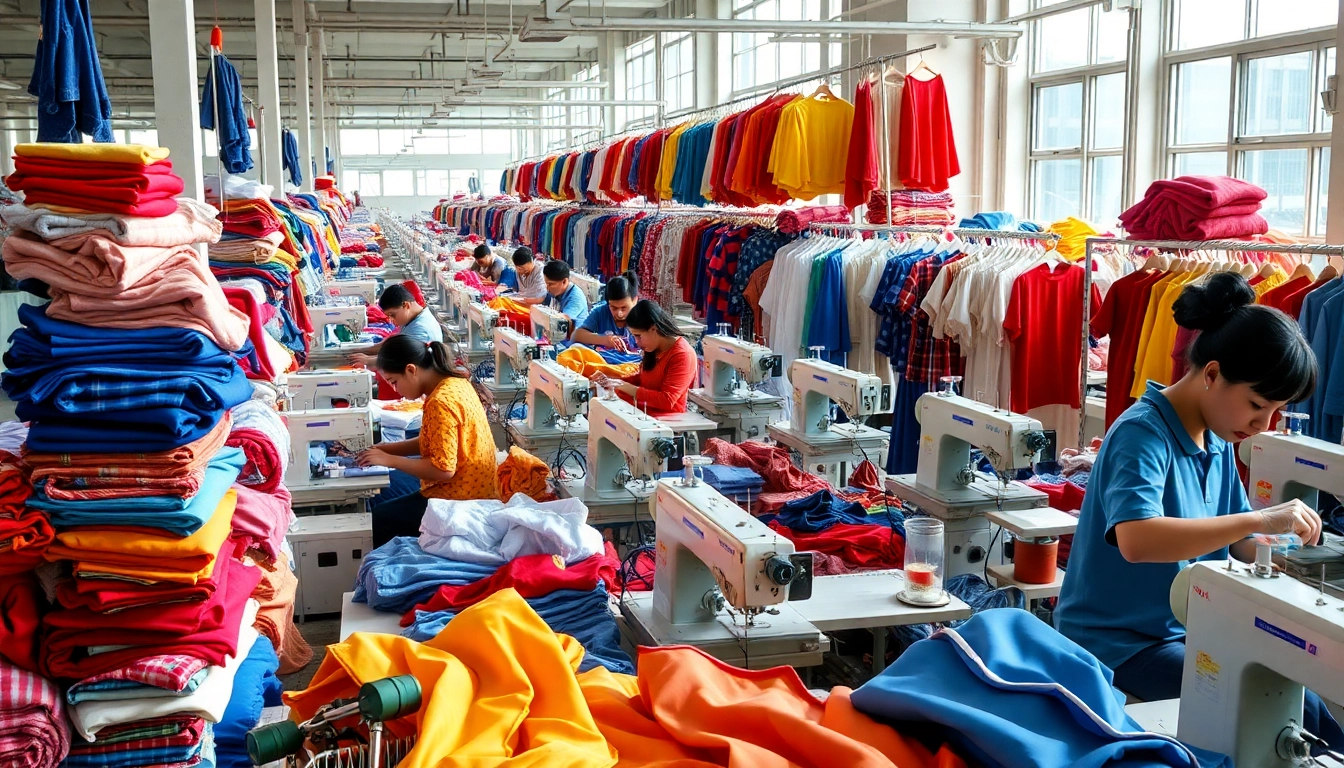
Understanding Apparel Manufacturers in China
The Role of Apparel Manufacturers in China’s Economy
The apparel sector plays a fundamental role in China’s economic landscape. Manufacturing has historically constituted a significant portion of China’s GDP, with apparel being a leading export category. Considering the global demand for clothing and textiles, Apparel manufacturers in China not only contribute to domestic economic growth but also enhance employment levels across multiple sectors. The workforce is primarily composed of millions of skilled and semi-skilled workers who contribute to production efficiency and fashion innovation. The success of the apparel manufacturing sector has broader implications, influencing trade relations and economic partnerships globally.
Types of Apparel Manufacturers in China
Apparel manufacturers in China can be categorized into several types, each serving distinct market segments. First, there are large-scale manufacturers capable of producing high volumes with standardized quality, mainly catering to global brands and fast fashion retailers. Second, there are small and medium-sized enterprises that often focus on niche markets or bespoke services, offering specialized designs or unique fabric options. Additionally, there are manufacturers that incorporate sustainable practices, appealing to eco-conscious brands and consumers. Each type plays a different yet integral role in the fabric of the clothing supply chain.
Key Locations for Apparel Manufacturing
China boasts several key manufacturing hubs for apparel production, including Guangdong, Zhejiang, Jiangsu, and Fujian provinces. Guangdong is renowned for its diverse garment production capabilities and proximity to major ports, facilitating efficient international shipping. Zhejiang, particularly the city of Yiwu, specializes in small orders and customized products, attracting new entrepreneurs and businesses. Jiangsu is notable for high-quality textiles and innovative designs, while Fujian stands out for its knitwear and sportswear. Understanding the regional characteristics of these locations can be crucial for brands seeking to partner with suitable manufacturers.
Factors Influencing Apparel Manufacturing in China
Cost Considerations for Global Brands
One of the primary factors influencing global brands’ decisions to partner with manufacturers in China is cost efficiency. Labor costs in China have been competitive, albeit rising in recent years especially in urban centers. However, the economies of scale achievable through large-scale manufacturing still present significant savings. Brands must also consider logistical aspects, including shipping costs and tariffs, as these can affect overall expenditure. For brands aiming to strike a balance between quality and cost, it is essential to conduct thorough market research, weigh the pros and cons of different manufacturing options, and plan finances accordingly.
Quality Standards and Certifications
Quality control is paramount for apparel manufacturers in China to meet the expectations of international clients. Many manufacturers adhere to international quality standards such as ISO certifications or other specific industry certifications like OEKO-TEX for textiles. Brands should engage in regular audits and self-assessments to ensure compliance with these standards, which build trust and credibility. Moreover, countries are increasingly mandating eco-friendly certifications to address environmental concerns, compelling manufacturers to enhance their quality control measures.
Supply Chain Dynamics in Apparel Manufacturing
The supply chain plays a critical role in the efficiency of apparel manufacturing. Numerous factors shape this dynamic, including sourcing of raw materials, logistics, and the interplay between various stakeholders from suppliers to manufacturers to retailers. Manufacturers in China are often embedded in a dense network of suppliers, which allows for rapid response to market demands. However, disruptions like those seen during global crises can significantly challenge this supply chain, emphasizing the need for flexibility and contingency strategies. Strong relationships and effective communication channels among all parties help mitigate these risks.
Finding the Right Apparel Manufacturers in China
Researching Potential Manufacturers
Finding the right apparel manufacturer in China involves diligent research. Brands should explore online directories, trade shows, and industry-specific platforms to compile a list of potential partners. Scrutinizing customer reviews and case studies can provide valuable insights into manufacturing capabilities and reliability. Additionally, establishing a presence through networking can facilitate introductions to reputable manufacturers who may not be widely advertised, thus broadening the search for partners more aligned with specific production needs.
Evaluating Manufacturing Capabilities
Once potential manufacturers are identified, evaluating their capabilities is the next critical step. This evaluation should encompass assessment of production capacity, technology employed, skilled labor availability, and compliance with regulations. Brands should request sample products to judge quality firsthand and assess the responsiveness of manufacturers to queries or changes in specifications. Ideally, manufacturers should have experience in the specific type of apparel the brand wishes to produce, as familiarity with textile types and fashion trends can significantly influence outcome quality.
Negotiation and Communication Best Practices
Effective negotiation and communication with apparel manufacturers in China are essential for establishing successful partnerships. Brands should clearly articulate their expectations regarding quality, lead times, and pricing structures. It is crucial to discuss payment terms and develop mutually beneficial agreements while being transparent about future scaling needs. Cultural awareness plays an important role; understanding local customs can promote stronger relationships and enhance negotiation outcomes. Regular follow-ups and open lines of communication can also help prevent misunderstandings and improve collaboration.
Challenges Faced by Apparel Manufacturers in China
Labor Issues and Workforce Management
The apparel manufacturing sector in China grapples with various labor-related challenges including labor shortages, wage disputes, and worker rights concerns. Rapid industrial growth has led to a competitive labor market, driving wages higher and making it harder for manufacturers to retain skilled workers. Furthermore, ensuring adherence to labor laws and ethical standards is paramount to avoid potential backlash from consumers. Manufacturers are thus increasingly adopting practices that prioritize workforce welfare, training, and development as a means to enhance productivity and staff retention.
Environmental Regulations and Compliance
With environmental sustainability becoming an increasing priority globally, apparel manufacturers in China face stringent environmental regulations. Compliance with regulations surrounding pollutants, waste management, and resource consumption is essential, though it can add additional costs to production. Manufacturers are focusing on reducing their environmental footprint by adopting cleaner technologies and practices, such as water recycling and sustainable fabric sourcing. This shift not only meets regulatory demands but also aligns with the growing demand for eco-friendly products among consumers.
Dealing with Trade Policies and Tariffs
Trade policies and tariffs create uncertainty for apparel manufacturers in China, as changes in legislation can significantly impact costs and market accessibility. Global brands must stay informed about current trade agreements and tariffs that may affect their supply chain. Furthermore, manufacturers are exploring alternative markets or diversifying their operations to mitigate risks associated with trade disruptions. Engaging in proactive risk assessment strategies allows businesses to adapt promptly to evolving trade environments.
Future Trends in Apparel Manufacturing in China
Technological Advancements in Manufacturing
Technological innovations are revolutionizing apparel manufacturing in China, notably through automation and artificial intelligence. Smart factories equipped with IoT devices can enhance efficiency by providing real-time data on production processes. Robotics are increasingly used for repetitive tasks, allowing human workers to focus on quality control and creative design aspects. Staying ahead in technology adoption can differentiate manufacturers, streamline operations, and improve the turnaround time for new collections, catering to the fast-paced fashion industry.
Sustainable Practices in Apparel Production
Sustainability is not just a trend; it is redefining apparel manufacturing practices in China. Manufacturers are investing in eco-friendly technologies and sustainable materials, catering to a rising consumer preference for responsible fashion. Circular economy principles are being embraced, leading to initiatives that promote recycling and long-term resource conservation. Brands that align with sustainable practices benefit from enhanced brand loyalty and marketing opportunities, ensuring a competitive edge in a crowded marketplace.
Shifts in Global Demand and Consumer Behavior
As consumer behavior trends evolve, manufacturers must adapt swiftly to changing tastes and preferences. The rise of e-commerce and social media influences how consumers interact with brands, demanding rapid fulfillment and personalized experiences. Manufacturers are developing more agile production methods, enabling a quick turnaround for customized orders and responding to real-time consumer feedback. Understanding these global shifts allows manufacturers and brands to remain relevant and responsive to market demands.
FAQs About Apparel Manufacturing in China
1. What are the main benefits of manufacturing apparel in China?
Manufacturing in China offers cost efficiency, access to a skilled labor force, and a comprehensive supply chain network, which can streamline production and reduce lead times.
2. How can I ensure quality standards from Chinese manufacturers?
To ensure quality, conduct factory audits, require certifications, and request samples. Consistent communication and setting clear quality expectations are crucial.
3. Are there issues related to labor when manufacturing in China?
Yes, challenges include labor shortages, wage increases, and compliance with worker rights. Brands should advocate for ethical labor standards to ensure fair treatment.
4. How does technology impact apparel manufacturing in China?
Technology enhances efficiency through automation and data analysis, allowing manufacturers to produce at scale, improve quality control, and adapt quickly to market changes.
5. What trends are influencing the future of apparel manufacturing?
Trends include a shift towards sustainable practices, technological advancements, and changes in consumer demand due to e-commerce growth and social media influence.