
Understanding Brazil iGaming Landscape in 2026
An Overview of the Regulatory Environment
The Brazilian iGaming landscape in 2026 showcases a rapidly evolving regulatory environment that is striving to balance the interests of various stakeholders including players, operators, and the government. Following a series of legislative efforts that began in the early 2020s, Brazil is now on the brink of establishing a comprehensive regulatory framework for online gaming. Key legislation, aimed at creating a licensing system for sports betting and online casinos, has triggered a surge in investment from local and international operators.
This transformation is not merely about legitimizing the market; it also aims to generate significant tax revenue for the government while providing a safer gaming environment for players. Compliance with emerging regulations requires operators to adapt quickly, invest in compliance technologies, and maintain clear operational transparency. For a detailed guide on events shaping this landscape, refer to Brazil iGaming & Events in 2026.
Major Trends Shaping the Market
Several trends are currently spearheading the evolution of the Brazilian iGaming sector in 2026. One primary trend is the growing acceptance of mobile gaming. With smartphone penetration skyrocketing, mobile platforms are now the preferred choice for players, prompting operators to prioritize mobile optimization. Another significant trend is the integration of blockchain technology for transparency in payments and gaming outcomes, thus enhancing trust among players.
Moreover, there’s an increasing demand for localized content, allowing operators to cater effectively to the tastes and preferences of Brazilian players. This includes offering games in Portuguese and incorporating local themes and cultural elements. Additionally, a focus on responsible gaming is becoming commonplace, with operators investing in tools that promote safer gambling practices.
The Role of Technology in Growth
Technology plays a critical role in the growth and expansion of the Brazil iGaming industry. Innovations such as Artificial Intelligence (AI) and Machine Learning (ML) are being leveraged to analyze player behavior, enhance personalized gaming experiences, and optimize marketing strategies. For instance, AI algorithms can analyze vast amounts of player data to provide personalized game recommendations and promotional offers, thereby improving customer retention rates.
Furthermore, technologies like Virtual Reality (VR) and Augmented Reality (AR) are beginning to create immersive gaming environments, offering players dynamic experiences that traditional formats cannot match. These advancements are not just transforming gameplay but are also reshaping how operators engage with their audiences, leading to higher levels of engagement and satisfaction.
Key Events in Brazil iGaming Calendar 2026
Top Conferences and Trade Shows
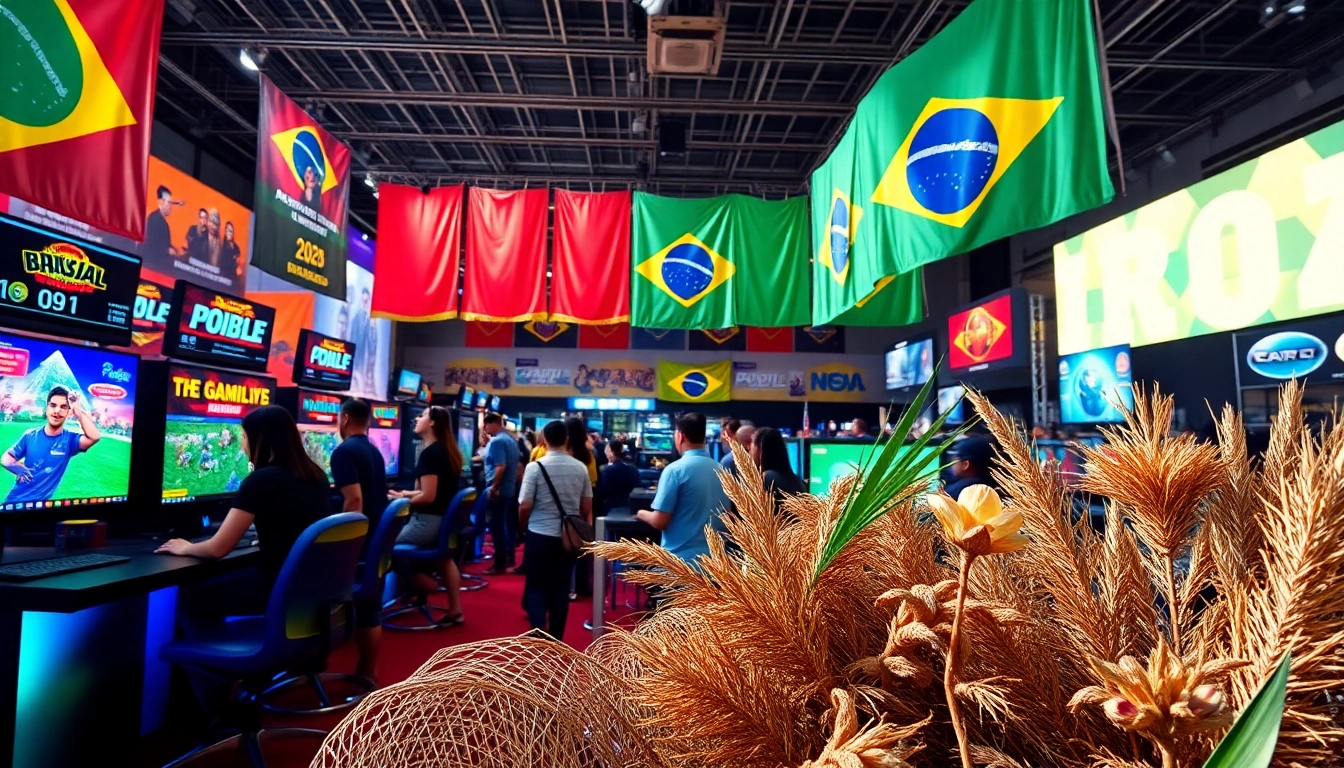
The vibrancy of the Brazilian iGaming sector is clearly reflected in its event calendar for 2026, which includes a host of conferences and trade shows aimed at various stakeholders. Noteworthy events such as the Brazilian iGaming Expo (BIG) provide a platform for networking, knowledge sharing, and showcasing the latest technologies. These conferences attract industry leaders, regulators, and innovators, fostering relationships that may lead to strategic partnerships and collaborations.
Additionally, the International Gambling Conference in Brazil is set to gather prominent figures from the global iGaming industry to discuss policies, technologies, and market trends. These events not only focus on current dynamics but also address future challenges and opportunities, ensuring that attendees are well-informed and prepared.
Networking Opportunities for Professionals
The iGaming events in Brazil in 2026 offer unparalleled networking opportunities for professionals looking to establish connections within the industry. With numerous breakout sessions, workshops, and social gatherings included in these conferences, attendees can interact directly with potential partners, share insights, and discuss the latest trends and developments.
Informal networking sessions and social events designed to encourage informal discussions are particularly valuable. Engaging with peers allows professionals to exchange ideas, collaborate on projects, and gain different perspectives on navigating the Brazilian iGaming landscape.
Highlighting Local Celebrations
Events focusing on local celebrations are also integral to the calendar, reinforcing the cultural significance of gaming in Brazil. Festivals combining entertainment with gaming activities can attract a broader audience and foster community involvement. For instance, annual Carnival-themed tournaments, where traditional games are played alongside popular iGaming offerings, not only promote the platform but also engage local players through cultural ties.
By intertwining gaming with culturally significant celebrations, operators can enhance brand visibility while contributing positively to local communities. These events provide an opportunity for operators to demonstrate their commitment to the region, creating a sense of brand loyalty among players.
Challenges Faced by Brazilian iGaming Stakeholders
Navigating Compliance Regulations
Despite the growing enthusiasm surrounding the Brazilian iGaming market, stakeholders face several challenges, one of the most prominent being navigating compliance regulations. The regulatory landscape is intricate, with varying requirements at the federal, state, and municipal levels. Operators must ensure that they adhere to all guidelines and regulations to avoid legal repercussions which can lead to significant fines or sanctions.
Moreover, compliance does not just encompass obtaining licenses; it also includes ongoing obligations such as reporting, audits, and responsible gaming practices. Building a compliance team or leveraging third-party solutions for oversight can alleviate some of the burdens associated with compliance management.
Addressing Market Competition
Competition within the Brazilian iGaming sector is intensifying, with numerous local and international players eager to capture market share. To remain competitive, established and emerging operators must refine their value propositions, focusing on unique selling points such as innovative gaming experiences, superior customer service, and loyalty incentives. Adopting targeted marketing strategies that emphasize personalization can also provide an edge over competitors.
Particularly, collaborating with local influencers to expand reach can be beneficial, as they bring credibility and familiarity with the audience. Thus, understanding and analyzing competitors’ strategies will be essential for positioning within this crowded space.
Ensuring Player Trust and Security
In an online environment, ensuring player trust and security remains a significant challenge. Players are increasingly aware of potential risks, and any breaches of data or trust can lead to reputational damage and loss of patrons for operators. Thus, implementing robust security measures, including advanced encryption and firewall systems, is critical.
Additionally, transparent communication regarding security measures, responsible gaming policies, and data management can help bolster trust among players. Educational campaigns that inform players about the safety protocols can further enhance the operator’s reputation and commitment to player protection.
Innovative Marketing Strategies for Brazil iGaming
Engaging Local Audience Through Social Media
Social media has become a cornerstone for marketing in the Brazilian iGaming sector, given its vast reach and engagement potential. Platforms like Instagram, Facebook, and TikTok allow operators to engage with local audiences effectively. Creating culturally relevant and visually appealing content can draw in players and foster community spirit.
Employing interactive strategies such as polls, contests, and live-streamed tournaments can further enhance engagement. Moreover, localization of content ensures the messaging resonates with Brazilian players, driving both engagement and conversion rates.
Leveraging Influencer Partnerships
Influencers play a pivotal role in modern marketing, and their partnership can be a game changer for iGaming operators in Brazil. Collaborating with local influencers who have established trust with their followers can significantly enhance brand visibility and credibility. These influencers can provide insights into gaming preferences and trends, ensuring that marketing strategies are aligned with player interests.
This strategy not only increases brand awareness but also engages potential customers through authentic storytelling that resonates with the audience. Choosing the right influencer who aligns with the brand’s values is paramount for success.
Utilizing Data Analytics for Targeting
In 2026, data analytics has never been more crucial for iGaming operators in Brazil. By leveraging analytics tools, operators can gain insights into player behavior, preferences, and trends. This data-driven approach allows for targeted marketing efforts that can lead to higher conversion rates.
Implementing segmentation strategies to tailor offers and communications according to the different player groups based on their preferences and behaviors can result in more meaningful engagements and enhanced customer satisfaction. Regularly reviewing and adapting these strategies based on data insights will ensure that marketing remains relevant and effective.
Measuring Success in Brazil iGaming & Events in 2026
Key Performance Indicators to Track
To assess success in the Brazilian iGaming market, operators must track relevant Key Performance Indicators (KPIs). Common metrics include Customer Acquisition Cost (CAC), Lifetime Value (LTV), and Return on Investment (ROI) for marketing campaigns. Additionally, metrics such as player retention rates and average session durations provide insights into user engagement and satisfaction.
Regularly monitoring these KPIs allows operators to identify trends, measure the effectiveness of their strategies, and make informed decisions. Setting clear, achievable goals aligned with these metrics can further guide businesses in evaluating their overall performance.
Effective Feedback Mechanisms
Establishing effective feedback mechanisms is crucial for understanding player needs and improving service offerings. Surveys, focus groups, and reviews can provide valuable insights into player experiences. Furthermore, utilizing game performance data can highlight areas needing enhancement, allowing operators to adapt their offerings accordingly.
Incorporating user feedback into the development process demonstrates a commitment to player satisfaction and can foster loyalty. Active engagement with players regarding their perceptions and experiences can significantly enhance the operator’s reputation and offerings.
Adapting Strategies Based on Market Insights
Staying responsive to market changes is vital for sustained success in Brazil’s iGaming sector. Operators must be flexible and willing to adapt their strategies based on emerging trends and player preferences. Investing in continuous market research to remain informed about developments and competitor strategies is essential. This agility in strategy allows operators to pivot quickly, thereby seizing growth opportunities as they arise.
In addition, aligning business goals with market insights enables more effective long-term planning regarding technological investments, marketing strategies, and product development. This alignment is critical for maintaining competitive advantage in a dynamic environment.
Frequently Asked Questions
1. What is the current regulatory status of iGaming in Brazil?
Brazil is actively working to establish a comprehensive regulatory framework for iGaming, aiming to create a licensed, safe environment for players while generating tax revenue for the government.
2. How can operators compete effectively in Brazil’s iGaming market?
Operators can compete by focusing on unique value propositions, investing in localized content, leveraging data analytics, and engaging with local influencers to improve brand visibility and player trust.
3. What role does technology play in iGaming growth?
Technology enhances growth through personalized experiences via AI, immersive environments through VR and AR, and secure payment processing through blockchain, driving player engagement and trust.
4. How important are local events for iGaming operators?
Local events are crucial as they promote community engagement, enhance brand visibility, and allow operators to showcase their offerings, fostering closer connections with the player base.
5. What KPIs should be monitored in iGaming?
Key KPIs include Customer Acquisition Cost (CAC), Lifetime Value (LTV), player retention rates, and ROI of marketing campaigns, providing crucial insights into performance and strategy effectiveness.